
How to handle unsold items to reduce waste and give belongings a second chance
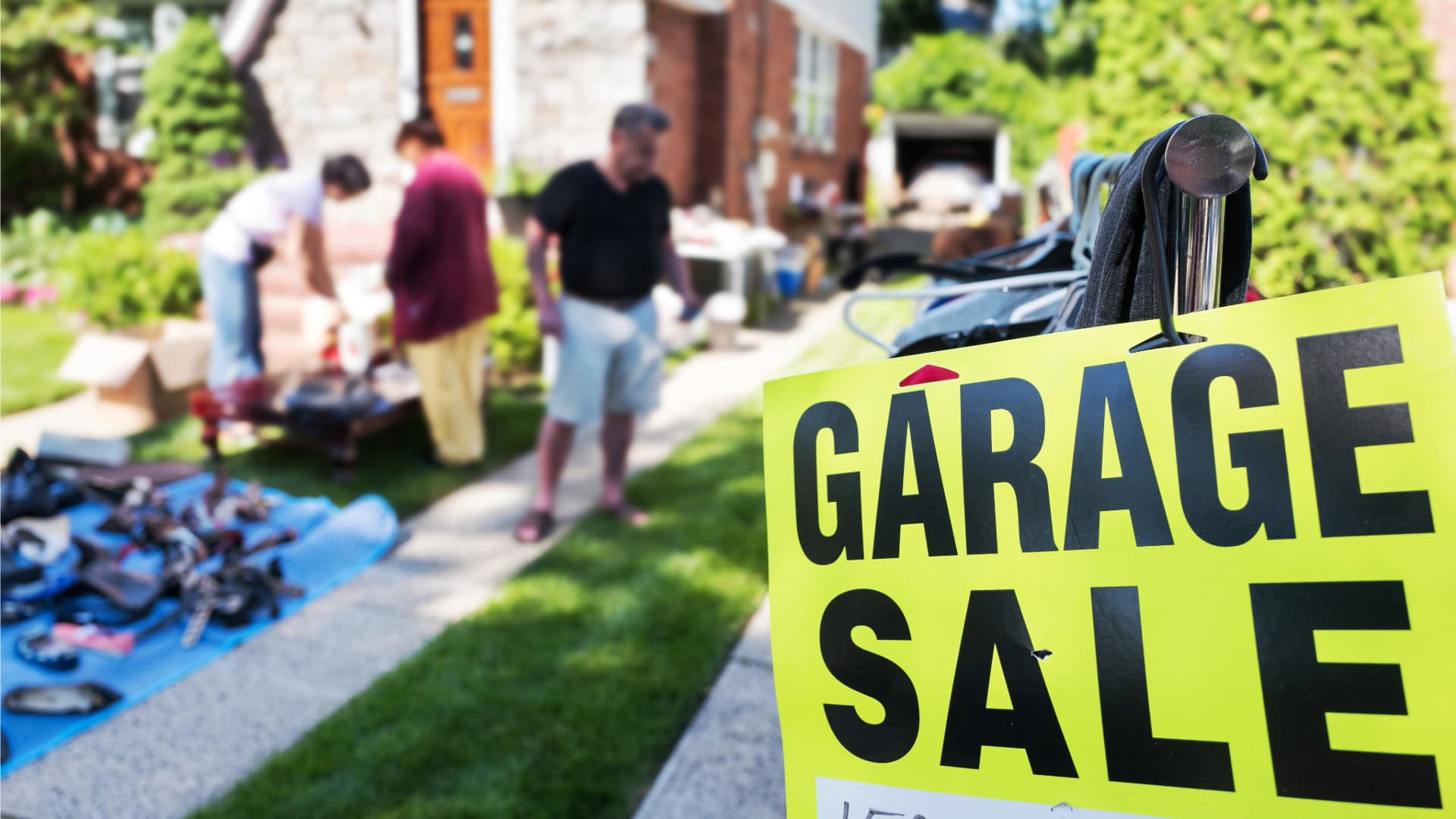
The signs are down. The tables are folded. The cash box has been counted. Your garage sale is officially over.
Whether you made a few extra dollars or cleared out an entire basement, every garage sale eventually arrives at the same question: What do you do with everything that didn't sell?
It's tempting to pack those remaining items back into boxes and return them to the garage, basement or spare bedroom. After all, someone might want them someday. But if we're being honest, many of those items have already spent months (or even years) waiting for their next chapter.
A garage sale is often about more than making money. It's about creating space, reducing clutter and deciding what still belongs in our lives. Bringing it all back inside can undo much of the progress you've already made on this path.
Not Every Item Finds the Right Buyer
An unsold item isn't necessarily a bad item.
Maybe the right shopper never drove down your street. Maybe the weather kept people away. Maybe a winter coat sat on the table during a 90-degree weekend.
Items that don't see at a garage sale can still be useful, valuable and wanted by someone else. Clothing, books, toys, home decor, kitchenware and furniture often find new homes long after the garage sale ends.
That's why many people choose to donate what remains rather than storing it for another year.
Donation is a Form of Recycling
When most people think about recycling, they think about paper, plastic and aluminum cans. But one of the most effective forms of recycling is extending the life of items that already exist.
Every shirt that is worn again, every lamp that lights a new room and every book that finds a new reader helps reduce waste and conserve resources. Reusing existing goods keeps usable items in circulation and helps reduce the demand for new products.
A donation can be more than a simple act of decluttering; it can be an environmentally responsible choice.
Giving Items a Second Chance
At Goodwill, donated items are evaluated for resale and offered another opportunity to find a home in the community.
Many shoppers visit Goodwill stores specifically looking for affordable clothing, household goods, furniture, books and unique treasures. What didn't sell at your garage sale may be exactly what someone else has been searching for.
When items aren't suitable for resale, Goodwill works with recycling and salvage partners to responsibly recycle and divert materials from local landfills. This approach helps maximize the useful life of donated goods while reducing waste and protecting our environment.
Small Donations, Big Impact
The benefits of donating extend beyond clearing space in your home.
Revenue generated through Goodwill stores helps support programs and services that connect people with employment, training and resources designed to help them achieve their goals. At the same time, Goodwill's commitment to reuse and recycling helps keep millions of pounds of materials in circulation each year.
That means the box of clothing, stack of books or tote of household items left after your garage sale can continue creating value long after the sale has ended.
The Final Step
The most successful garage sales aren't measured only by the money earned. They're measured by the space reclaimed, the clutter reduced, and the peace of mind that comes from simplifying your surroundings.
So, before you carry those unsold boxes back into storage, consider giving them a second chance. You may clear a little more space, help reduce waste, and make a positive impact in your community all in one convenient trip.
All Goodwill of the Heartland retail stores accept donations during regular business hours. Just enter the drive-up donation bay and a team member will help you unload.